
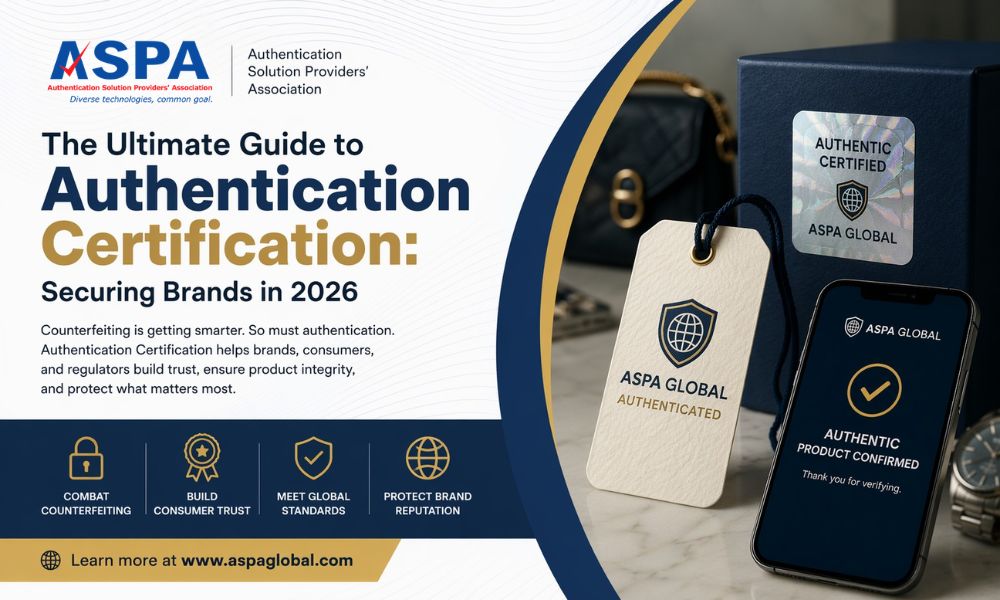
In an increasingly interconnected global marketplace, the importance of verifying what we buy and who we interact with online has reached a critical tipping point. Authentication Certification acts as the definitive digital and physical seal of trust, ensuring that products, documents, and digital identities are genuine and untampered. As we navigate 2026, this certification is no longer just a luxury for high-end brands; it is a fundamental requirement for regulatory compliance, consumer safety, and the survival of the digital economy.
What is Authentication Certification and Why Does It Matter in 2026?
At its core, Authentication Certification is a formal verification process that confirms the legitimacy of an entity or product through rigorous standards and cryptographic protocols. In 2026, the stakes have never been higher. With the rise of “deepfake” products and sophisticated cyber-impersonation, simple passwords or basic holographic stickers are no longer sufficient.
Why It Is Essential Today:
- Combatting Sophisticated Fraud: AI-driven tools now allow counterfeiters to replicate traditional packaging and digital logins with terrifying precision. Certified authentication provides a “root of trust” that cannot be easily spoofed.
- Regulatory Mandates: Governments worldwide, including India, have moved from “suggesting” authentication to “mandating” it for sectors like electronics, pharmaceuticals, and even furniture.
- Consumer Expectations: Modern shoppers are tech-savvy. They expect to scan a QR code or use a biometric check to instantly verify that their purchase is safe and original.
What Are the Latest Trends in Authentication Certification?
The landscape of security is shifting toward “invisible” and “frictionless” methods. In 2026, several key trends have emerged as the gold standard:
- Phygital Integration: This is the marriage of “Physical” and “Digital.” A product may have a physical tamper-evident seal that, when scanned, reveals a unique digital twin on a blockchain, proving its entire journey from the factory to the consumer.
- Passwordless and Passkeys: For digital identities, the world is moving away from vulnerable passwords. FIDO-based passkeys and biometric certifications (fingerprint and facial recognition) are now the industry standard for secure logins.
- AI-Driven Verification: Authentication systems now use machine learning to detect “anomalous behavior.” If a product is scanned in two different cities simultaneously, the system instantly flags it as a potential counterfeit.
- Verifiable Credentials (VCs): Particularly in Europe and North America, digital wallets storing “Verifiable Credentials” allow users to prove their identity or qualifications without sharing unnecessary personal data.
How Does Authentication Certification Help Fight Counterfeiting?
Counterfeiting is a multi-billion dollar illicit industry that drains tax revenue and puts lives at risk. Authentication Certification disrupts this by attacking the counterfeiter’s greatest weapon: the ability to blend in.
The Defense Mechanism:
- Serialization: Every single item is given a unique identity (SKU-level tracking), making it impossible for bulk fakes to enter the legitimate supply chain undetected.
- Tamper-Evidence: Certified packaging ensures that if a product has been opened or altered, the visual evidence is immediate and irreversible.
- Forensic Features: Many certifications require “covert” features—invisible inks or microscopic surface textures—that only professional inspectors can see using specialized equipment.
- Blockchain Transparency: By recording every “handshake” in the supply chain on a decentralized ledger, brands can prove the provenance of a product, making the “grey market” much easier to police.
The Role of ASPA Global in the Authentication Ecosystem
The Authentication Solution Providers’ Association (ASPA Global) is a pivotal non-profit organization dedicated to building a robust anti-counterfeiting ecosystem. Formerly known as the Hologram Manufacturers Association of India, it has evolved into a global authority on brand protection.
ASPA Global works to:
- Set Standards: They promote the adoption of international standards like ISO 12931, which specifies the performance criteria for authentication solutions.
- Advocacy: They bridge the gap between technology providers and the government, ensuring that anti-counterfeiting laws are effective and up-to-date.
- Education: Through reports like the “State of Counterfeiting in India,” they raise awareness among consumers and brand owners about the risks of fakes and the benefits of certification.
What Certifications Are Required for Product Authentication in India?
India has significantly tightened its quality and safety norms. In 2026, failing to have the right certification can lead to immediate product seizures and heavy penalties.
| Certification / Body | Primary Focus | Mandatory For |
| BIS (Bureau of Indian Standards) | Safety & Quality | Electronics (LEDs, Phones), Toys, Steel, Furniture, and Chemicals. |
| ISI Mark | Industrial/Consumer Safety | Household appliances, helmets, and construction materials. |
| WPC (Wireless Planning & Coordination) | Radio Frequency | Any device with Bluetooth, Wi-Fi, or NFC capabilities. |
| CDSCO | Medical Safety | Diagnostic equipment and medical devices. |
| FSSAI | Food Safety | Edible products (includes anti-tampering mandates). |
Key Regulatory Changes in 2026:
- Furniture Mandate: As of February 2026, the ISI mark is mandatory for all beds, chairs, and storage units sold in India.
- New IT Safety Standards: India has fully transitioned to IS/IEC 62368-1:2023, a hazard-based safety standard for all audio-visual and IT equipment.
- Scheme-X Enforcement: Since September 2026, heavy industrial machinery (cranes, pumps, transformers) must carry BIS certification to clear customs.
Conclusion:
In 2026, Authentication Certification is the invisible thread that holds the fabric of global trade together. For businesses, it is the ultimate insurance policy against brand erosion. For consumers, it is a guarantee of safety. By adhering to the standards set by bodies like BIS and following the guidance of organizations like ASPA Global, companies can ensure they are not just compliant, but also competitive in a world where trust is the most valuable currency.

